Aside from a multiple-entry visa, which enables you to settle in the Schengen area for a maximum of 90 days within 180 days, the validity of your single-entry visa or double-entry visa depends on the government. The government elects the number of days you are allowed to stay in any of the Schengen countries, as well as the first date you are allowed to enter Schengen and the last day that you are allowed to remain.
This is the point where several people get mistaken because they do not understand there is a difference between visa validity and the duration of stay in a visa.
Duration of Stay – is the maximum of days you are allowed to live in the Schengen. The first day you enter Schengen is counted as “Day 1”, even if you enter just a few seconds before midnight. Whereas, the “Last Day” is calculated the day you leave Schengen, even if it is only some minutes after night.
Visa Validity – on the other hand, is the period from which to which you can use your visa to enter and visit in the Schengen Area.
Example: the duration of stay in your visa is 10 days, whereas the efficacy of your visa is from 1 January to 20 January. In this case, you can enter the Schengen Zone anytime in this period. You can enter i.e. on 3 January and leave on 12 January. On the other hand, if you enter on 15 January, you will still have to leave on 20 January, despite of not having spent the number of days you were permitted to stay.
On the other case, if you have a double-entry visa, with a visa valid from January 1 to March 1, and duration of stay of 10 days, then you can enter the Schengen Area twice within this period. You are still not allowed to remain more than 10 days during both trips. If during the first trip you stay for 7 days, then on the second trip you can stay for three days at most. If you make just one trip and spend 10 days in any of the member states, then you have no claim to enter the country despite the fact that your visa is still legitimate.
As per a multiple-entry visa, if i.e. you have a three-year multiple-entry visa, which becomes valid on January 15, 2018, then you will be permitted to access and leave the Schengen whenever you want until January 15, 2021. You should not ignore that there is a rule of 90 days limit per each 180 day period.
Showing posts with label eu. Show all posts
Showing posts with label eu. Show all posts
Monday, June 15, 2020

Monday, May 18, 2020
The Richest Countries In Europe
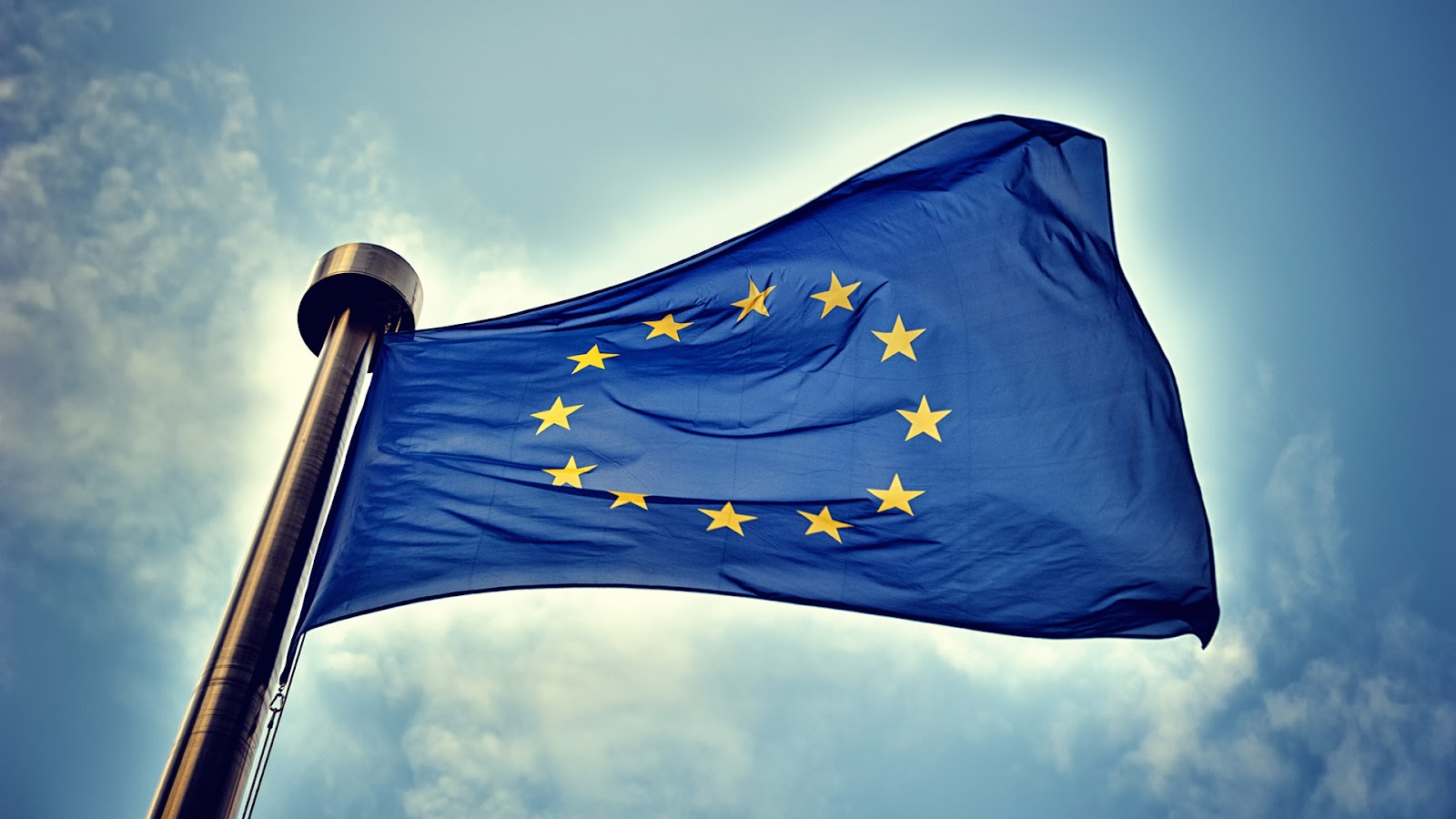
EU Richest Countries:
Iceland
Iceland's GDP per capita is estimated at $74,278. The country established widespread free-market changes in the 1990s which initially proved strong. A financial mess that lasted from 2007 to 2010 placed the country in financial risk that it had to acquire emergency funding from some European nations and the IMF.
Ireland
Ireland's GDP per capita is ranked at 76,098 international dollars. The alcoholic drink sector is one of Ireland's main industries with a workforce of about 92,000. The pharmaceuticals, business services, software, medical technologies, and aircraft leasing are some of Ireland's other main areas.
Luxembourg
Luxembourg has the highest per capita GDP of all countries in the EU, which makes it the richest country in Europe as well as the richest country in the world. Luxembourg has remained stable for decades, and good governance has helped its economic development. It's iron and steel sector serves 7% of its economy, and it is the place to ArcelorMittal which is the world's biggest steelmaker.
Switzerland
Another wealthy European nation is Switzerland with a GDP per capita of 82,950 international dollars. Switzerland is renowned for its high-end watches and clocks which are exported to countries in the Americas, Oceania, Europe, Africa, and Asia. Its exported watches in 2011 were valued at more than $20 billion.
Norway
Norway owns a GDP per capita of 69,249 foreign dollars. Norway is very provided with natural gas, minerals, oil, fish, hydropower, and forests. The Norwegian government largely controls the nation's petroleum resources, and the sector accounts for 37% of the exportation, 12% of GDP, 9% of the labour force, and 13% of the country's income.
Monday, May 11, 2020
Why to immigrate to Eurpe
There are a lot of opportunities in Europe that Immigrants can get. Starting from work oppertunities to business start-ups. Some of the EU countries need a larger population so these countries might accept Immigrants from outside of Europe.
Europe's population is foreseen to decline over the next 50 years. Italy might lose 28% of its population by 2050. To preserve its working-age population, Italy would have to start importing more than 350,000 immigrants per year, or alternatively, keep its citizens working until the age of 75.
Congress recently approved an additional 200,000 visas for skilled workers. European governments are taking similar steps. Germany wants 20,000 IT workers from outside EU, in particular, software engineers from India. Also, Britain wants to hire Eastern European computer experts, but only too eager to eliminate their less qualified compatriots.
If you need more information about moving to Europe, feel free to contact us: http://www.immigration-residency.eu/contacts/
Europe's population is foreseen to decline over the next 50 years. Italy might lose 28% of its population by 2050. To preserve its working-age population, Italy would have to start importing more than 350,000 immigrants per year, or alternatively, keep its citizens working until the age of 75.
Congress recently approved an additional 200,000 visas for skilled workers. European governments are taking similar steps. Germany wants 20,000 IT workers from outside EU, in particular, software engineers from India. Also, Britain wants to hire Eastern European computer experts, but only too eager to eliminate their less qualified compatriots.
If you need more information about moving to Europe, feel free to contact us: http://www.immigration-residency.eu/contacts/
Wednesday, April 8, 2020
History of immigration to Europe

Migration has shaped European history. Merchants, craftsmen and intellectuals have crossed the continent for centuries to practice their business or start a new life. Millions emigrated from Europe to the colonies and then to America and the antipodes.
Wider immigration in Western Europe is more recent. From 1960 to 1973, the number of foreign workers in Western Europe doubled from 3 to 6% of the workforce. It was highest in places like the United Kingdom and France, with relatively free access to citizens of their former colonies; In Germany, too, the number of foreigners (almost half Turkish) increased by 4 million in the 25 years after 1960, although they rarely became citizens. However, primary immigration to Europe - driven by labour needs - all ended with the 1973 oil crisis. The foreign-born population continues to grow, also because tens of thousands of residence permits are still issued every year in most countries. EU countries also issue thousands of work permits every year. In the United Kingdom in 1997, almost half of the 54,000 permits were issued to Americans and Japanese, mainly in highly qualified employment; Elsewhere in Europe, permits are often given to seasonal farmworkers. But the share of the foreign-born population in the EU remains low, ranging from 9% in Austria, Belgium and Germany to below 2% in Spain.
The number of people applying for asylum has increased rapidly since the late 1980s. In 1984, there were only 104,000 applications in Western Europe. This number increased to 692,000 in 1992 but declined during the 1990s. The figures rose again to 350,000 in 1998 and around 400,000 in 1999, although they have begun to decline this year. As a result, asylum has become one of the main means of immigration into the EU.
Even nowadays many people want to claim asylum in the EU, which means legally moving to a new country for safety reasons and it is still possible.
Tuesday, March 31, 2020
Why hasn't Brexit happened yet?

Brexit is the removal of the United Kingdom from the European Union. Following the June 2016 referendum, in which 51.9% voted in favour of leaving, the UK government officially announced the withdrawal in March 2017, launching a process currently to be completed with the UK withdrawal no later than 31 January 2020.
Initially, Brexit was to take place on 29 March 2019. Two years later, Prime Minister Theresa May proposed Article 50, a formal exit process, and opened negotiations.
Under Ms May's leadership, the deadline was twice delayed after MEPs rejected her Brexit deal - eventually postponing it to 31 October 2019.
Following Ms May's replacement as Prime Minister Johnson, she was asked to seek a third extension after MPs failed to issue a revised Brexit Transaction Law.
The new deadline is set for 31 January 2020, three and a half years after the referendum.
After winning the Conservative leadership contest, G. Johnson took over as Prime Minister in July 2019 and renegotiated the Mayan deal.
Johnson succeeded in replacing the support scheme with new customs regulations. Unlike the previous deal, the revised deal will allow Britain to sign and implement its trade agreements with countries around the world.
However, the revised transaction effectively creates a customs and administrative border between Northern Ireland and the United Kingdom. This means that some goods coming to Northern Ireland from the UK will be screened and paid EU import duties (known as tariffs).
They will be refunded if the goods remain in Northern Ireland (ie not moved to the Republic of Ireland).
Assuming the European Parliament also gives the green light, the UK will officially leave the EU on 31 January with a withdrawal deal.
However, this would only mark the next step in the Brexit process. After its departure, the United Kingdom will enter into a transitional period until 31 December 2020.
Britain's trade relations with the EU will remain unchanged during this period while both sides negotiate a free trade deal. At the same time, many other aspects of the UK's future relationship with the EU will need to be agreed, including law enforcement, data sharing and security.
If the trade deal is ready in time, the UK's new relationship with the EU can begin immediately after the transition. If not, the United Kingdom has the prospect of trading without a valid contract. This would mean checks and tariffs on British goods going to the EU.
Subscribe to:
Posts (Atom)